The Quill as Weapon: How Medieval Writers Transformed Rebellion Into Madness
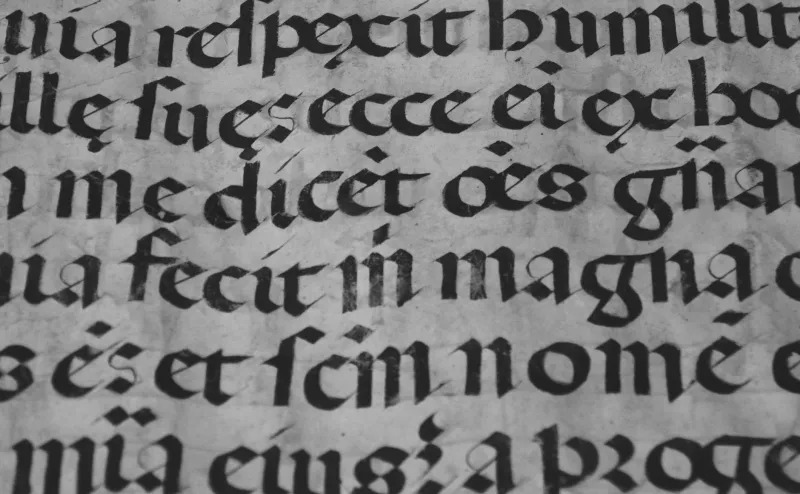
The Quill as Weapon: How Medieval Writers Transformed Rebellion Into Madness
In June 1381, Wat Tyler led tens of thousands of English peasants to London, demanding an end to serfdom and fair taxation. They burned manor houses, executed corrupt officials, and briefly held the capital hostage. Within months, chroniclers had transformed this coordinated political action into a tale of bestial madness—a narrative so effective that "peasant revolt" still conjures images of mindless violence rather than organized resistance.
The machinery of narrative control that medieval chroniclers perfected reveals something uncomfortable about human psychology: we have always preferred stories that confirm existing hierarchies to those that challenge them. The same impulse that led monastic scribes to describe the English Peasants' Revolt as diabolic possession drives modern media to frame protests as "riots" and demonstrators as "mobs."
The Architecture of Dismissal
Consider how Thomas Walsingham, a monk at St. Albans Abbey, described the 1381 uprising. In his Chronica Maiora, the peasants weren't responding to the crushing poll tax or demanding basic rights—they were "rustics" consumed by "bestial fury," their actions "against God and justice." Walsingham's account became the definitive version, copied and embellished by subsequent chroniclers until the rebels' actual grievances disappeared entirely.
This wasn't accidental. Medieval chroniclers belonged to the same literate class that benefited from the existing order. Monks depended on noble patronage, royal scribes served at the pleasure of kings, and university-educated clerks owed their positions to the very system under attack. When peasants challenged that system, chroniclers faced a choice: examine the legitimacy of popular grievances or dismiss them as madness. They chose dismissal, creating a template that has survived eight centuries.
The French jacquerie of 1358 received identical treatment. When starving peasants in the Beauvais region rose against their lords during the chaos of the Hundred Years' War, chronicler Jean Froissart described them as "evil men" who "committed such excesses that no heart should think on it." He devoted pages to their alleged atrocities while spending barely a sentence on the famine, warfare, and taxation that drove them to rebellion.
The Vocabulary of Dehumanization
Medieval chroniclers developed a specific vocabulary for describing popular uprisings that sounds remarkably familiar today. Peasants were never "organized" but always "assembled unlawfully." They never had "demands" but only "unreasonable desires." Their actions were never "coordinated" but always "frenzied" or "bestial."
This language wasn't descriptive—it was prescriptive. By consistently portraying rebels as irrational animals, chroniclers made their grievances literally unspeakable within literate discourse. The same linguistic tricks appear in modern coverage of mass movements: protesters become "mobs," demonstrations become "riots," and organized political action becomes "chaos."
The effectiveness of this approach becomes clear when we examine what medieval chroniclers systematically omitted. They rarely mentioned the specific taxes that triggered revolts, the legal systems that trapped peasants in serfdom, or the economic conditions that made rebellion seem preferable to starvation. Instead, they focused on isolated acts of violence, real or imagined, that could be used to discredit the entire movement.
The Persistence of Pattern
What makes medieval chronicle-writing particularly relevant today is how little the fundamental dynamics have changed. The tools are different—cable news instead of illuminated manuscripts, social media instead of monastery scriptoriums—but the psychological mechanisms remain identical. Those who benefit from existing systems still control most channels of information, and they still use that control to frame challenges as chaos rather than legitimate grievance.
Consider how modern media coverage of protests follows the medieval template almost exactly. Reporters focus on property damage rather than underlying issues, interview "concerned citizens" rather than movement organizers, and use passive voice to describe police violence while active voice for protester actions. The vocabulary has evolved—"thugs" and "agitators" replace "rustics" and "villains"—but the function remains the same: to make systematic critique literally unthinkable within mainstream discourse.
The Chronicler's Dilemma
Medieval chroniclers faced the same dilemma that confronts journalists today: how to maintain credibility while serving power. Their solution was to acknowledge that revolts happened while systematically misrepresenting why they happened. They developed techniques of selective focus, strategic omission, and linguistic framing that allowed them to appear objective while advancing particular interpretations.
This approach worked because it exploited universal human psychological biases. People prefer simple explanations to complex ones, individual villains to systemic problems, and narratives that confirm existing beliefs to those that challenge them. Medieval chroniclers understood these biases intuitively and crafted their accounts accordingly.
The Long Game of Narrative Control
The ultimate test of medieval chroniclers' success isn't what people believed in 1381 or 1358—it's what we believe today. Most Americans, if asked about medieval peasant revolts, would probably describe them as chaotic explosions of violence rather than organized political movements. We've inherited the chroniclers' framework so completely that we can barely imagine alternatives.
This inheritance matters because the same psychological mechanisms that made medieval narrative control effective continue to shape how we interpret contemporary events. The human tendency to dismiss mass discontent as irrational chaos wasn't invented by cable news—it was perfected by monastic scribes who understood that controlling the story meant controlling the future.
The medieval chroniclers' greatest achievement wasn't preserving history—it was teaching us to misunderstand it. Their template for transforming legitimate grievance into bestial madness remains our default response to popular uprising, eight centuries after Wat Tyler marched on London. The quill, it turns out, really was mightier than the sword.