When Monuments Lie: The Eternal Politics of Selective Memory
The Chisel and the Photograph
In 1953, a photograph emerged from Moscow showing Joseph Stalin standing beside several Politburo members at a public ceremony. By 1956, the same photograph appeared in Soviet publications with one crucial difference: where Nikolai Yezhov, the former NKVD chief, had once stood beside Stalin, there was now empty space. Soviet censors had airbrushed him from existence with the same thoroughness they had applied to his execution three years earlier.
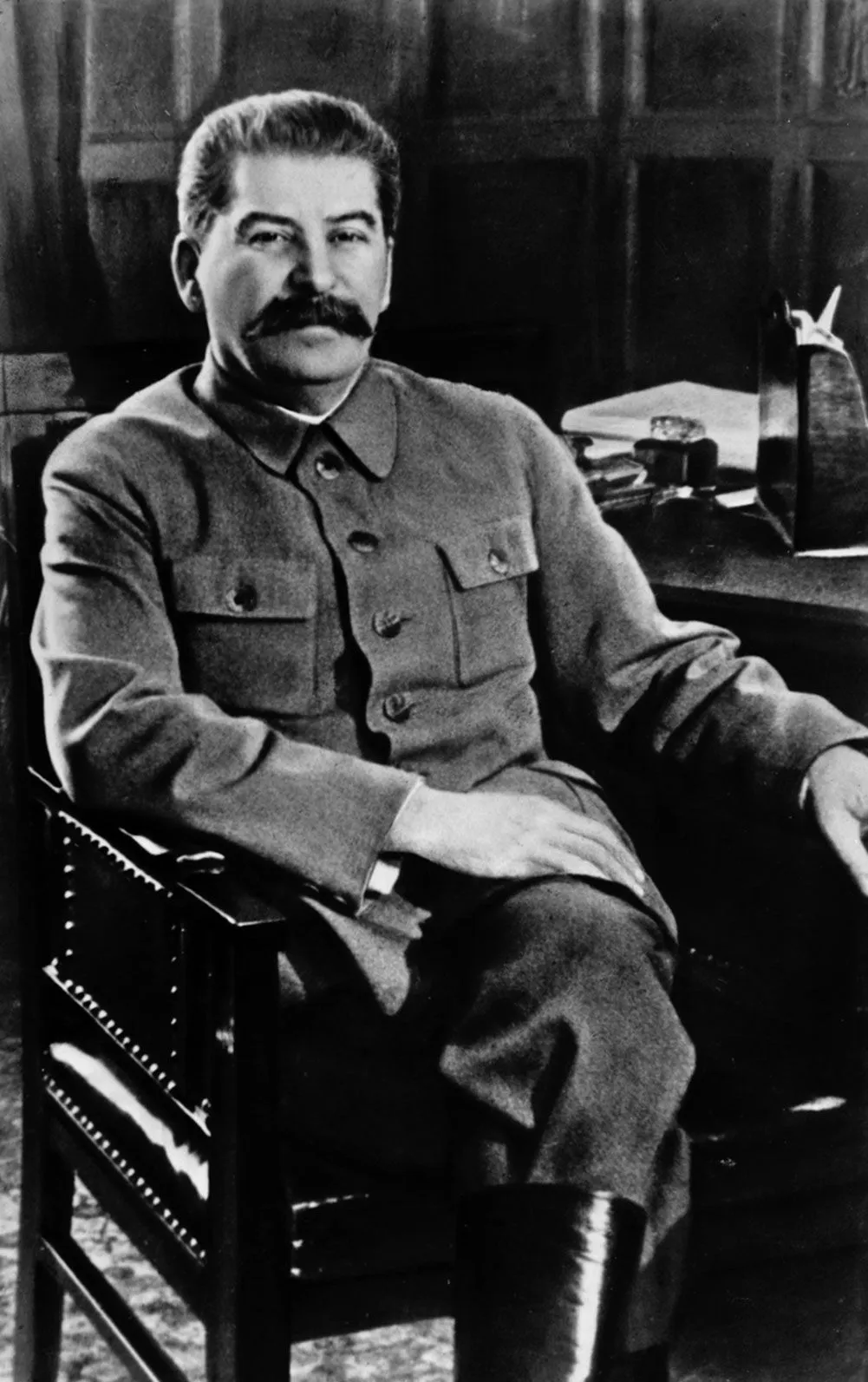 Photo: Joseph Stalin, via cdn.britannica.com
This act of visual erasure would have been entirely familiar to a Roman senator from the first century. When Emperor Caligula ordered the destruction of all statues, inscriptions, and official records mentioning his predecessor Sejanus, he was employing a practice called damnatio memoriae — the condemnation of memory. The goal was not merely political revenge but something far more ambitious: the complete removal of a person from the historical record, as if they had never existed at all.
What neither Stalin's photo retouchers nor Caligula's stonecutters understood was that their very efforts to erase would become the most enduring evidence of what they sought to hide.
The Bureaucracy of Forgetting
Every powerful civilization has developed sophisticated machinery for controlling memory. The methods vary by technology, but the psychology remains constant: those in power believe they can reshape reality by controlling the record of it.
In ancient Egypt, pharaohs routinely defaced the monuments of their predecessors, carving their own names over the original inscriptions. Queen Hatshepsut's stepson Thutmose III spent decades systematically destroying her statues and reliefs, attempting to erase evidence of her twenty-two-year reign. The irony, lost on Thutmose, was that his destruction efforts were so thorough that modern archaeologists could reconstruct Hatshepsut's reign precisely by mapping what had been deliberately damaged.
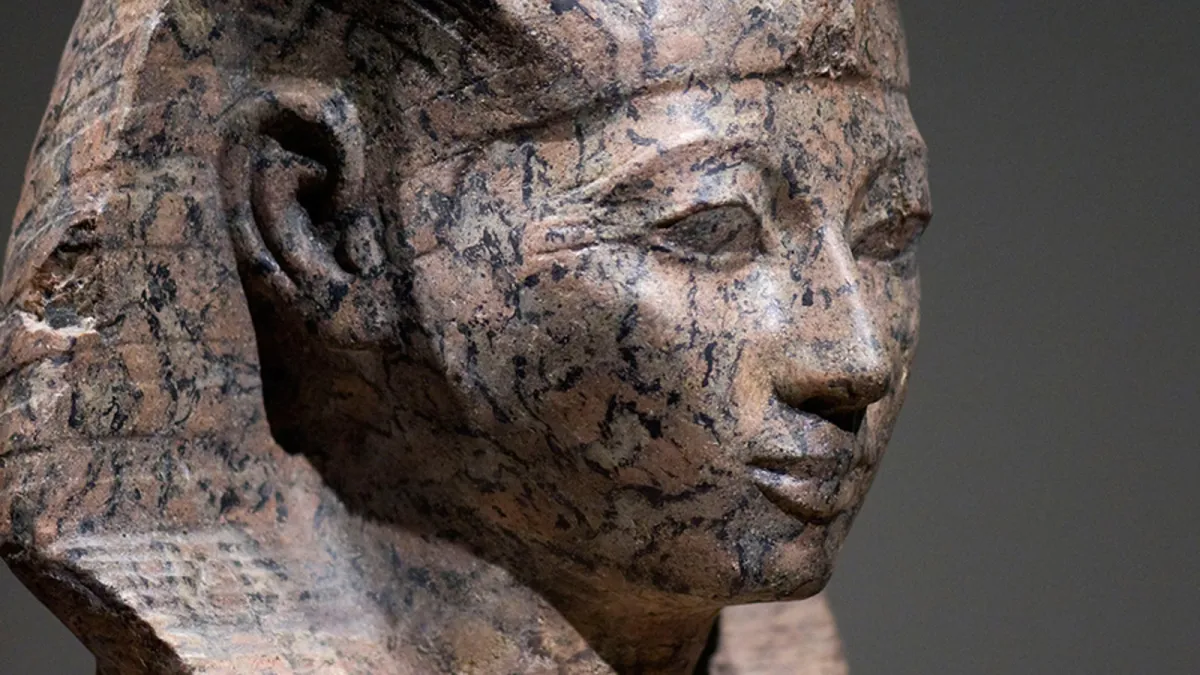 Photo: Queen Hatshepsut, via www.kanopy.com
The Chinese practice of zhu lu — "bamboo and silk" — referred to the burning of historical records that contradicted official versions of events. When the Qin Dynasty unified China in 221 BCE, Emperor Qin Shi Huang ordered the destruction of all historical texts except those approved by the state. The goal was to create a single, authorized version of the past that supported his claim to divine mandate.
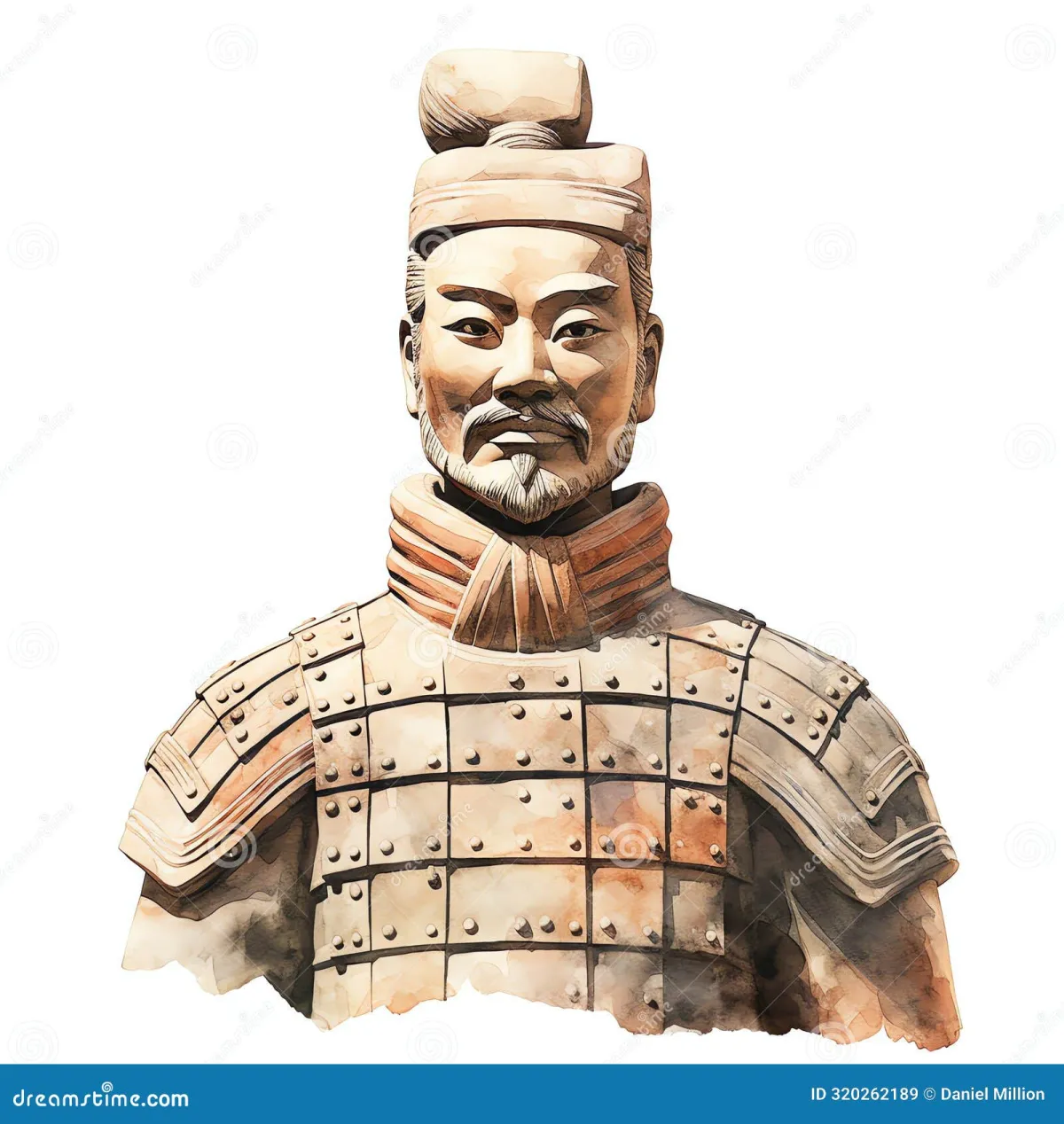 Photo: Emperor Qin Shi Huang, via thumbs.dreamstime.com
Yet the very comprehensiveness of these efforts created their own historical record. The Book of Documents survived because scholars memorized entire texts rather than trust them to physical preservation. The attempt to control memory had the unintended effect of making memory more resilient.
Why Erasure Always Fails
The fundamental flaw in institutional forgetting lies in a misunderstanding of how memory actually works. Those who order erasure assume that controlling official records is equivalent to controlling human recollection. They treat memory as if it were a ledger that could be corrected by striking out the wrong entries.
But memory is not bureaucratic. It is personal, emotional, and stubbornly resistant to official revision. When the Spanish Inquisition burned Maya codices in the Yucatan, they believed they were eliminating indigenous history. Instead, they created a new category of forbidden knowledge that became more precious for being banned. Maya scribes began encoding their traditional stories into seemingly Christian texts, preserving pre-Columbian culture within the very documents their oppressors approved.
The psychology of forbidden knowledge explains why censorship so often amplifies what it seeks to suppress. When Soviet authorities removed Trotsky from official photographs and histories, they inadvertently made his absence more noticeable than his presence had ever been. Empty spaces in group photographs became visual puzzles that invited speculation. Citizens developed an expertise in reading official silences that was far more sophisticated than their ability to decode official statements.
The Survivors
What survives systematic erasure tells us something crucial about the nature of historical truth: it is not fragile. The most determined efforts to destroy evidence often preserve it in unexpected forms.
When Confederate monuments were erected across the American South during the Jim Crow era, their builders believed they were creating permanent markers of their version of history. When many of those same monuments were removed in the 21st century, the controversy over their removal generated far more detailed historical documentation than had existed about their original construction. The effort to erase the erasure became its own form of historical evidence.
The pattern repeats across cultures and centuries because it reflects something fundamental about human psychology: we are suspicious of official versions and drawn to hidden truths. The very act of trying to hide something makes it more interesting, more valuable, and more likely to be preserved by unofficial means.
The Digital Paradox
Modern technology has made erasure both easier and more difficult. Digital records can be altered without leaving physical traces, but they also create multiple copies that are nearly impossible to control completely. When the Chinese government removes references to the Tiananmen Square protests from domestic internet searches, it cannot prevent the preservation of those records on servers outside its jurisdiction.
The psychology remains unchanged: the impulse to control memory by controlling records, and the inevitable failure of that effort. What has changed is the speed and scope of both erasure and preservation.
The Persistence of Truth
History suggests that attempts at systematic forgetting reveal more about their perpetrators than about their targets. The decision to erase someone from the record is itself a form of historical documentation. It tells us what those in power feared, what they considered threatening, and what they believed could be controlled.
Perhaps most importantly, it tells us that they were wrong. The historical record has a stubborn habit of preserving exactly what its destroyers most wanted buried. Not because truth always wins, but because the effort to suppress truth creates its own evidence.
Every empire that has tried to edit history has ended up documenting its own insecurities. The Ministry of Forgetting always forgets that forgetting, too, is remembered.