The Library vs. The Throne
In 415 CE, a Christian mob murdered Hypatia of Alexandria in the streets of Egypt's greatest city. The philosopher's death marked more than personal tragedy—it symbolized the end of Alexandria's role as the intellectual capital of the known world. Yet Constantinople, the official seat of Byzantine power, would survive another thousand years.
This paradox captures something essential about how civilizations actually function. Political capitals perform power; second cities generate it. The emperor lived in Constantinople, but the ideas that sustained his empire came from Alexandria. When the second city died, the empire began its long decline into ceremonial irrelevance.
Throughout history, the most dynamic civilizations have operated this dual system almost unconsciously. Official capitals provide legitimacy, ceremony, and the visible apparatus of governance. But the real engines of wealth, innovation, and cultural development cluster elsewhere—in cities that often seem less important precisely because they're too busy working to perform their significance.
The Spanish Gold Machine
Sixteenth-century Spain offers perhaps the clearest example of this division. Madrid housed the Habsburg court, displayed the empire's power, and made the decisions that shaped global politics. But Seville controlled the wealth that made those decisions possible.
Every treasure fleet from the Americas docked in Seville. Every merchant seeking American trade needed Seville's approval. Every innovation in navigation, shipbuilding, and colonial administration originated in Seville's commercial houses. The city's Casa de Contratación managed an economic system that spanned two continents, while Madrid's courtiers debated theology and precedence.
The arrangement worked brilliantly until it didn't. When American silver production declined and rival powers began intercepting Spanish fleets, Seville's economy collapsed. Madrid's political apparatus survived, but without Seville's wealth to support it, the Spanish Empire became a hollow shell—impressive buildings housing an increasingly irrelevant government.
The pattern repeats across centuries and continents. Official capitals that lose their productive second cities become museums of former greatness, while second cities that develop independent economic bases often evolve into tomorrow's political centers.
The American Iteration
The United States has always operated this dual system, though Americans rarely think about it in historical terms. Washington D.C. performs the ceremonial functions of governance—hosting foreign dignitaries, conducting legislative debates, and projecting federal authority. But the innovations that actually drive American power emerge from second cities that most foreign observers barely notice.
Silicon Valley created the digital technologies that reshaped global commerce and warfare. Wall Street developed the financial instruments that made American economic influence inescapable. Hollywood manufactured the cultural products that made American values seem universal. Detroit built the industrial capacity that won two world wars.
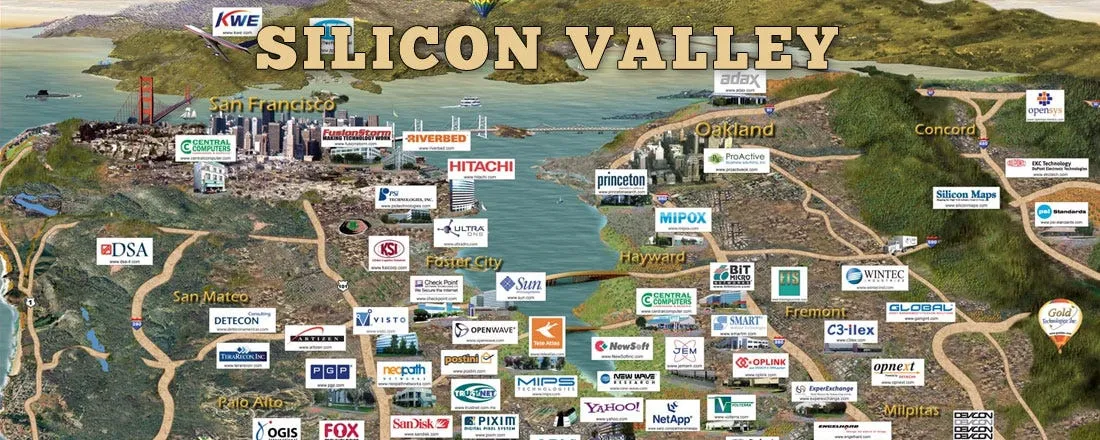 Photo: Silicon Valley, via miro.medium.com
None of these cities sought to become centers of global influence—they were simply solving local problems that turned out to have universal applications. The entrepreneurs building personal computers in Palo Alto garages weren't trying to transform international relations; they were meeting market demand for better tools. But their innovations proved more consequential than most treaties signed in Washington.
The Innovation Advantage
Why do second cities consistently outperform capitals in generating actual progress? The answer lies in the different pressures they face and the different talents they attract.
Political capitals reward skills in managing existing power structures—coalition building, ceremonial expertise, and the ability to navigate complex bureaucracies. These are valuable capabilities, but they're fundamentally conservative. Success in capital cities comes from understanding how things work, not from changing how they work.
Second cities face different challenges. They must generate wealth, solve technical problems, and compete with rivals who aren't bound by political protocol. Success requires innovation, efficiency, and the ability to adapt quickly to changing conditions. The merchants of medieval Venice couldn't afford to debate the theological implications of new accounting methods—they needed systems that worked.
This practical pressure creates environments where useful innovations can emerge and spread without political interference. The printing presses of Mainz didn't need royal approval to revolutionize communication. The banks of Florence didn't require papal permission to develop double-entry bookkeeping. Distance from political oversight often proves more valuable than proximity to political power.
The Talent Migration Pattern
Second cities also benefit from attracting different kinds of people than capitals do. Political centers draw individuals skilled in managing power relationships—diplomats, courtiers, and professional administrators. These are sophisticated and valuable talents, but they're not typically associated with fundamental innovation.
Second cities attract problem-solvers, entrepreneurs, and technical specialists—people who might find capital city politics boring or frustrating. The concentration of practical talent in these environments creates feedback loops that accelerate innovation. When shipbuilders, navigators, and merchants all work in the same city, improvements in one area quickly spread to others.
Modern examples abound. Austin attracts software developers who might find Washington's regulatory environment stifling. Nashville draws musicians who want to focus on their craft rather than entertainment industry politics. These cities succeed by offering alternatives to the political and cultural constraints that often develop in official power centers.
The Digital Disruption
Technology is beginning to disrupt the traditional relationship between political capitals and productive second cities. Remote work, digital communication, and virtual collaboration reduce the advantages that geographic concentration once provided. Talented individuals no longer need to cluster in specific cities to collaborate effectively.
This shift might seem to benefit political capitals, which could theoretically attract talent without requiring people to abandon productive work for political careers. But early evidence suggests the opposite is happening. Rather than strengthening Washington's position, digital technologies are enabling the creation of new kinds of second cities—virtual communities organized around specific industries or interests rather than geographic proximity.
The result may be a further diffusion of actual power away from official political centers. If the most innovative work can happen anywhere, the advantages that traditional second cities enjoyed—proximity to related industries, access to specialized talent pools, distance from political interference—become available to any community that can attract the right people.
The Enduring Pattern
Despite technological changes, the fundamental dynamic between political capitals and productive second cities seems likely to persist. Official power centers will continue to perform the ceremonial and administrative functions that legitimacy requires. But the real work of innovation, wealth creation, and cultural development will continue to happen elsewhere—in places that are too busy solving problems to worry about their official status.
Recognizing this pattern changes how we think about influence and importance in contemporary America. The cities making headlines for political drama may be less significant than the ones quietly developing tomorrow's key technologies. The officials debating policy in Washington may have less impact than the entrepreneurs building companies in places most Americans couldn't find on a map.
History suggests that understanding where power really lives—as opposed to where it officially resides—provides crucial insight into where civilizations are actually heading. The future is being built in today's second cities, by people who are too focused on the work to worry about whether anyone is paying attention.