The Emperor's Quiet Revolution
In 18 BCE, Augustus Caesar faced a crisis that would have destroyed a lesser ruler. His moral legislation—laws forcing aristocrats into marriage and punishing adultery—had triggered a revolt among Rome's elite that threatened to unravel everything he'd built. A typical autocrat would have doubled down, deployed the Praetorian Guard, and made examples of the rebellious senators.
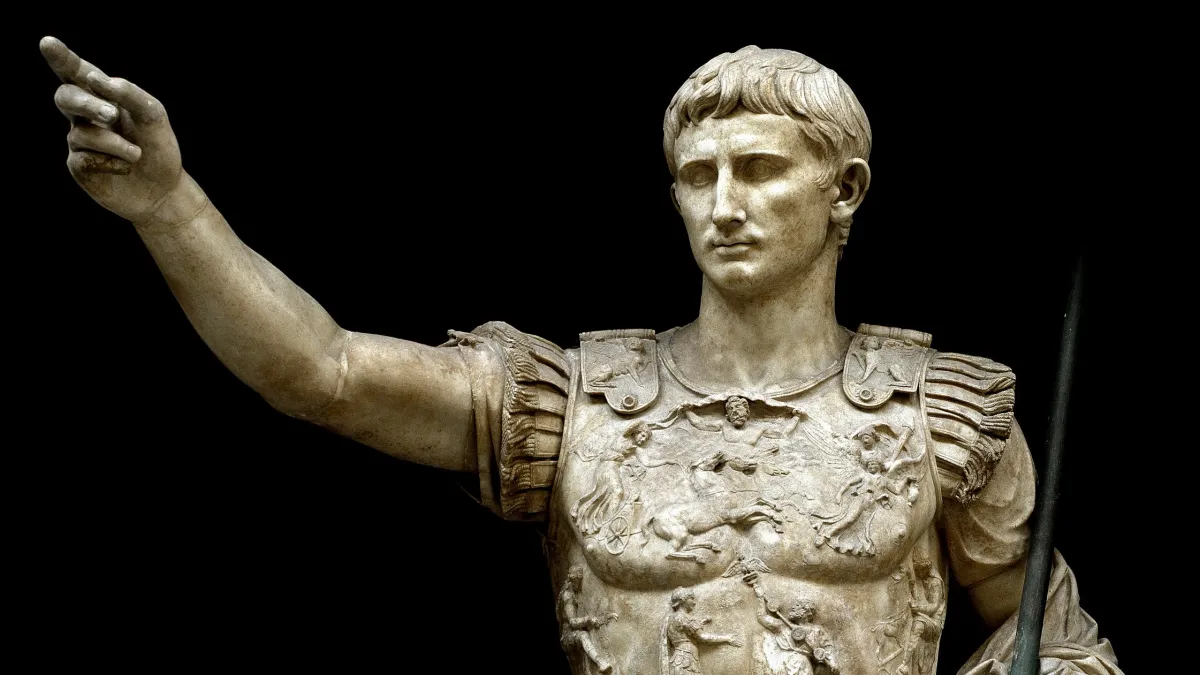 Photo: Augustus Caesar, via assets.editorial.aetnd.com
Augustus did something far more sophisticated: he simply stopped enforcing the laws.
No dramatic repeal. No public admission of defeat. The legislation remained on the books while Augustus quietly directed his magistrates to look the other way. Within a decade, the same senators who had threatened revolution were praising the emperor's wisdom and flexibility. Augustus had discovered something that escapes most leaders even today—that strategic withdrawal, executed properly, can be indistinguishable from victory.
This pattern appears throughout history with remarkable consistency. The rulers who lasted weren't necessarily the strongest or the smartest—they were the ones who knew when to stop pushing.
The Medici Art of Temporary Exile
Fifteenth-century Florence offers perhaps the most elegant example of strategic retreat in action. When Girolamo Savonarola's religious revolution swept through the city in 1494, the Medici family faced a choice that had destroyed countless dynasties: fight and risk annihilation, or flee and appear weak.
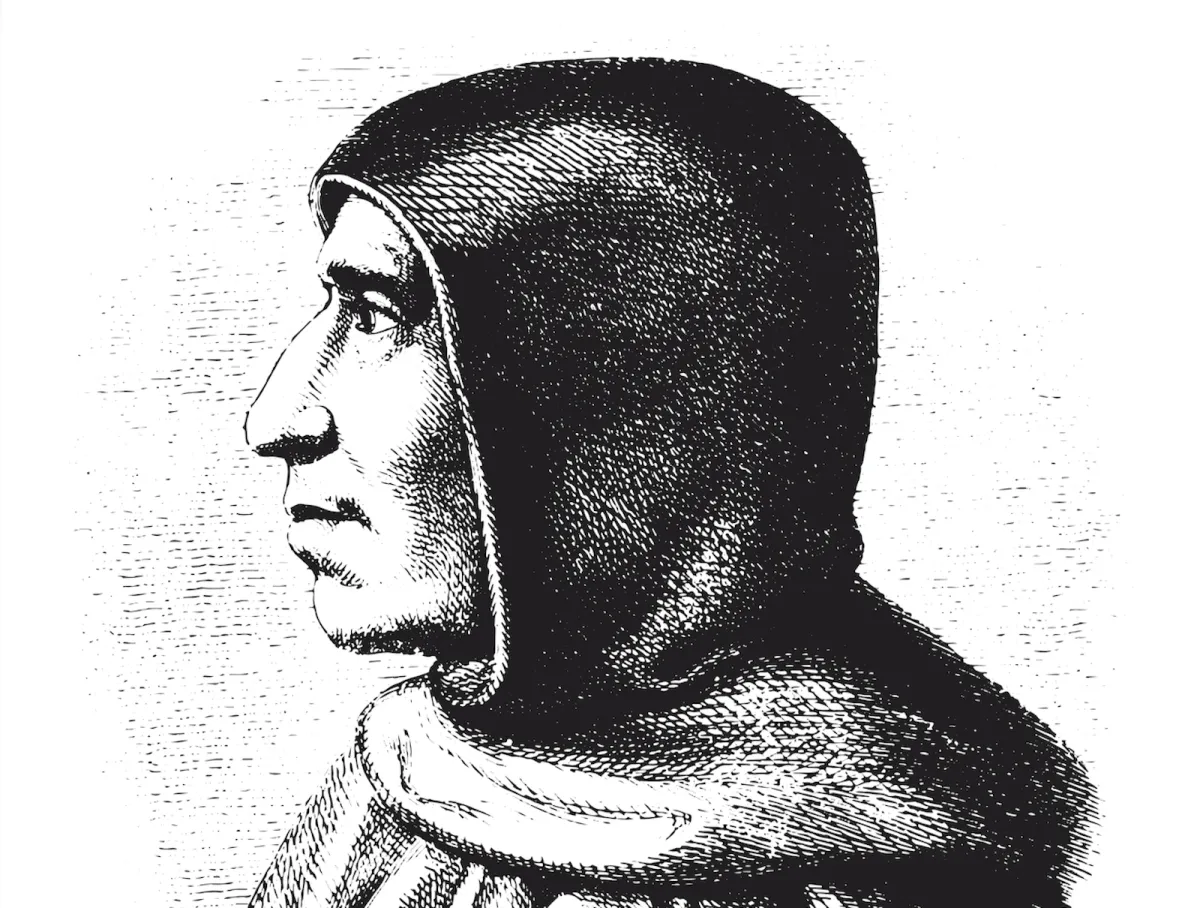 Photo: Girolamo Savonarola, via redhistoria.com
Piero de' Medici chose to fight. He was driven from the city within months and died in exile.
His cousins chose differently. Rather than contest Savonarola's power directly, they quietly withdrew from Florence, maintaining their international banking operations while appearing to accept their political defeat. They waited. They watched. They let Savonarola's extremism gradually alienate the very citizens who had initially supported him.
When the Dominican friar was finally burned as a heretic in 1498, the Medici returned not as conquering exiles but as the obvious choice to restore stability. Their strategic absence had transformed them from controversial autocrats into essential public servants. They would rule Florence, with interruptions, for another two centuries.
The American Precedent
American history is filled with leaders who understood this principle, though we rarely frame it as strategic retreat. Abraham Lincoln's approach to slavery before the Civil War exemplifies the technique—he consistently argued that the institution should be contained rather than immediately abolished, allowing Southern extremists to overplay their hand while positioning himself as the reasonable moderate.
Franklin Roosevelt's court-packing scheme provides an even cleaner example. When the Supreme Court began striking down New Deal legislation, FDR proposed expanding the court from nine to fifteen justices. The proposal triggered massive opposition, even from his own party. Rather than force a divisive fight he might lose, Roosevelt quietly let the proposal die—while the Supreme Court, chastened by the political pressure, began upholding his programs. He achieved his goal by threatening something he never intended to do.
The Psychology of Strategic Withdrawal
Why does strategic retreat work so consistently across cultures and centuries? The answer lies in fundamental human psychology that hasn't changed since Augustus walked the Forum.
First, people respect leaders who appear to listen. A ruler who modifies course in response to opposition seems responsive rather than weak—provided the modification appears voluntary rather than forced. The key is controlling the narrative of why you're changing direction.
Second, strategic withdrawal often forces opponents to reveal their true intentions. When Augustus stopped enforcing his moral laws, senators who had claimed to oppose them on principle were forced to either continue their opposition—revealing it as purely political—or accept the compromise and appear hypocritical to their own supporters.
Third, retreat creates space for face-saving compromises that frontal confrontation makes impossible. The Medici's temporary exile allowed Florentine republicans to enjoy their revolution without the ongoing provocation of aristocratic presence. By the time the family returned, the revolution had run its course naturally rather than being crushed by force.
The Modern Misunderstanding
Contemporary American politics has largely forgotten this ancient wisdom. Politicians routinely choose symbolic confrontations over substantive victories, preferring to be right rather than effective. The result is a political culture where compromise appears treasonous and strategic flexibility looks like weakness.
But in corporate boardrooms and diplomatic conferences, strategic retreat remains standard practice. Successful executives regularly abandon failing initiatives without admitting failure. Skilled negotiators make tactical concessions to achieve strategic objectives. The techniques Augustus and the Medici perfected are alive and well—we've just forgotten to apply them to governance.
The Discipline of Knowing When to Stop
History's lesson is clear: the leaders who lasted weren't those who never lost battles—they were those who never fought battles they couldn't afford to lose. They understood that power is finite, that every confrontation has costs, and that sometimes the smartest move is to save your strength for fights that actually matter.
This isn't cowardice or weakness—it's intelligence. And in an era when political leaders routinely destroy themselves pursuing symbolic victories, the ancient art of strategic retreat looks less like surrender and more like the highest form of tactical sophistication.