Merchants of Falsehood: The Medieval Rumor Economy That Ran on Human Nature

Photo by Photo by Margo Evardson on Unsplash on Unsplash
There is a comfortable modern assumption that misinformation is a product of our age — an unfortunate side effect of algorithms, anonymous accounts, and the frictionless speed of digital sharing. It is a flattering theory. It implies that the problem is external to us, that if we could only fix the platforms, we could fix the pathology. Medieval Europe would like a word.
Centuries before a single broadsheet was printed, before a single telegraph wire was strung, false information traveled across the European continent with a consistency and velocity that modern researchers continue to find startling. It did not travel because of any technology. It traveled because of us.
The Infrastructure of Unverified Truth
To understand how rumors moved in the medieval world, one must first understand what served as the era's communication network. It was not a system in any engineered sense. It was a collection of human beings in perpetual motion: merchants tracing the great trade routes between Flanders and Florence, pilgrims walking the Camino de Santiago or the roads to Canterbury, itinerant friars preaching in market squares from Lisbon to Kraków, and soldiers cycling between campaigns with months of idle time between engagements.
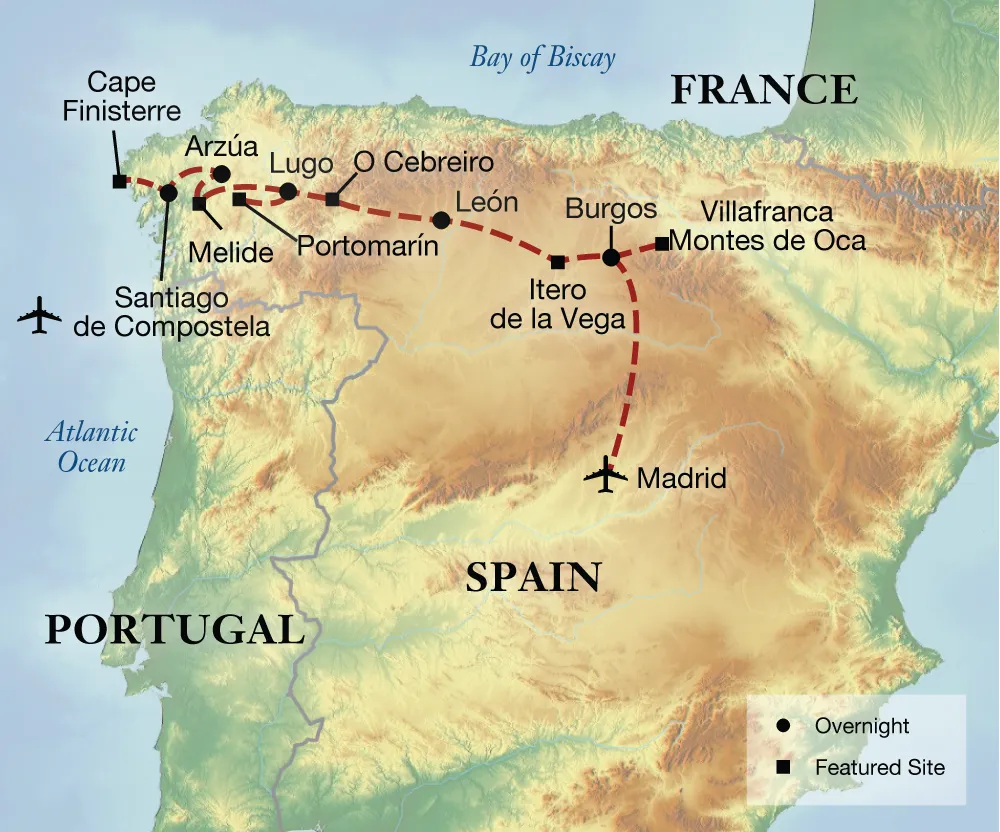 Photo: Camino de Santiago, via tf-cmsv2-journeys-media.s3.amazonaws.com
Each of these figures was, in the language of modern network theory, a node. And each node was not merely transmitting information — it was editing it, embellishing it, and filtering it through the particular anxieties and loyalties of its own community before passing it along. A Venetian merchant arriving in Lyon did not simply report what he had seen in the eastern Mediterranean. He reported what he had heard, interpreted through what he believed, shaped by what his audience in Lyon was already afraid of.
The result was a communication ecosystem of extraordinary reach and extraordinary unreliability operating simultaneously.
What Traveled Fastest
Historical linguists and medievalists who have studied the spread of specific rumors across the period have identified a consistent pattern: the stories that moved fastest were the ones that confirmed existing fears or existing hatreds. This is not a medieval phenomenon. It is a human one.
The accusations leveled against Jewish communities during the Black Death — that they had poisoned the wells, that they were agents of a coordinated catastrophe — spread from the Rhineland across much of central Europe within months of their first recorded appearance in 1348. There were no printing presses. There was no broadcast infrastructure. There were only people, moving between towns, carrying a story that gave a terrifying and incomprehensible plague a comprehensible human villain.
The psychological research literature on this is unambiguous and has been replicated across cultures and decades: human beings are structurally predisposed to accept information that confirms what they already suspect and to transmit that information with a confidence that exceeds what the evidence warrants. The medieval peasant who repeated a rumor about well-poisoning in the market square was not uniquely credulous. He was entirely ordinary. He would be entirely ordinary today.
The Weaponization of the Informal Network
Powerful actors in the medieval period understood, often intuitively, that the informal rumor network was a weapon of considerable utility. The Church deployed it with particular sophistication. When Pope Urban II launched the First Crusade at Clermont in 1095, the stories that spread across Europe in the months that followed — of Christian pilgrims tortured, of holy sites desecrated, of a civilization imperiled — were not spontaneous eruptions of popular outrage. They were, at minimum, carefully amplified by a clerical infrastructure that controlled the most trusted voices in most communities: the parish priest, the itinerant friar, the confessor.
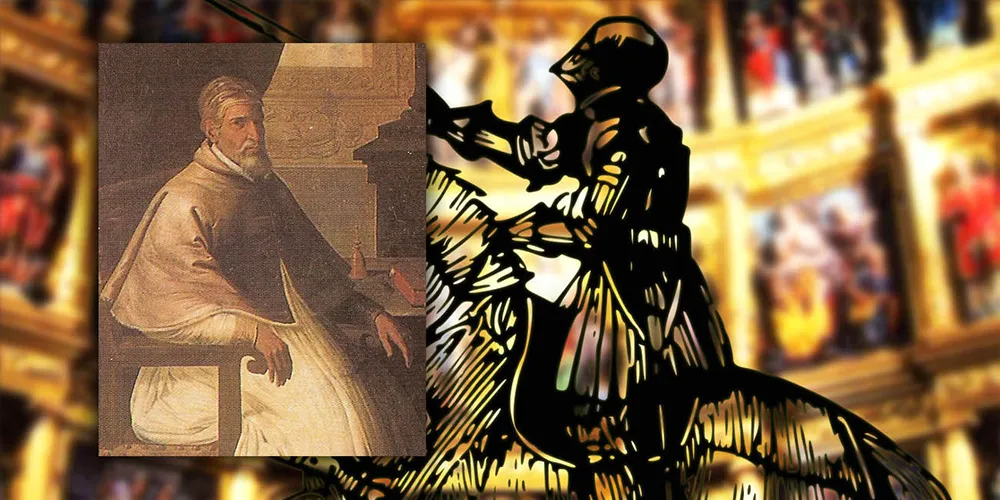 Photo: Pope Urban II, via www.profolus.com
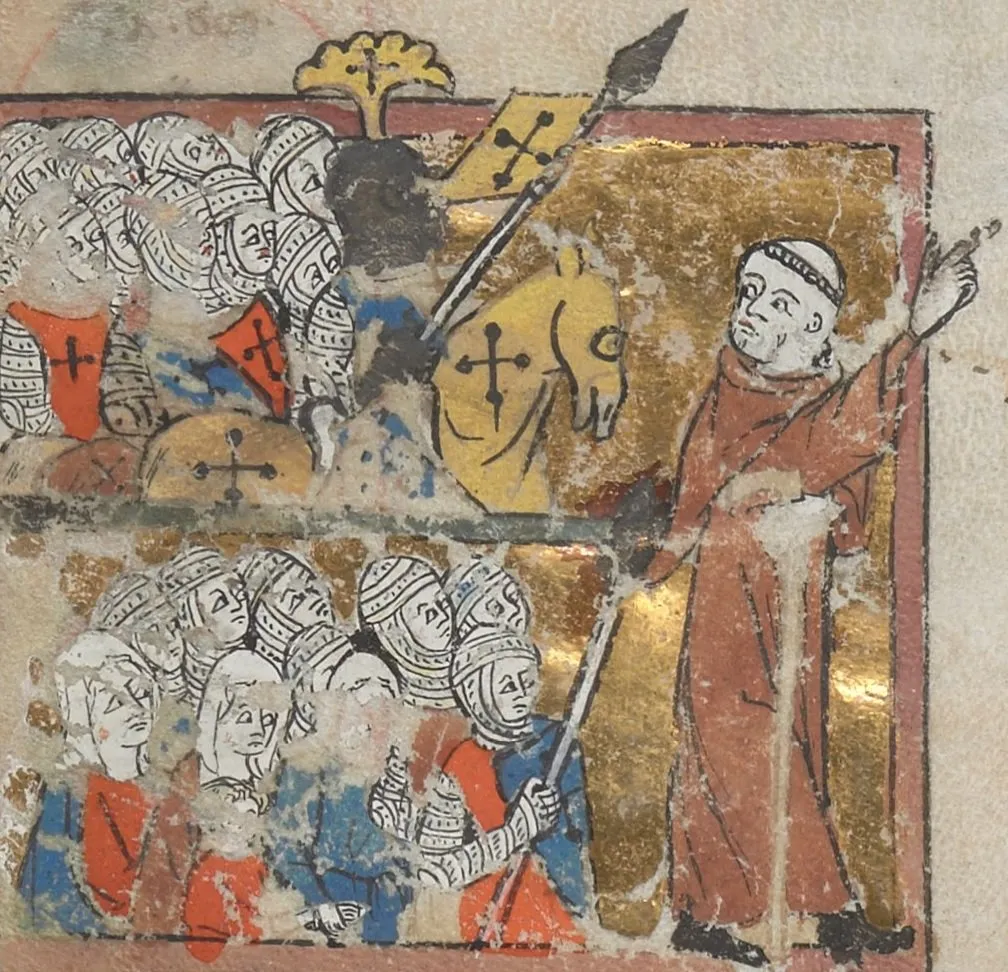 Photo: First Crusade, via cdn.calendarz.com
Similarly, secular rulers learned to seed rumors through the very merchants and travelers they nominally could not control. A whisper about a rival king's impotence, heresy, or treasonous correspondence with an enemy could travel from one court to another through commercial channels that no one could formally trace or formally deny. The plausible deniability was structural. It was built into the medium itself.
This is not substantively different from what modern political operatives call "earned media" — the art of placing a story with a credible intermediary and allowing it to circulate without fingerprints. The intermediaries have changed. The logic has not.
The Occasional Correction
It would be unfair to suggest that medieval society was entirely without mechanisms for contesting false information. They existed, though they were slow, expensive, and available primarily to the powerful.
The formal channel of correction was almost always ecclesiastical. A bishop could issue a condemnation. A papal bull could, in theory, reach every diocese in Christendom. But these corrections suffered from the same asymmetry that plagues corrections today: the original rumor had traveled through informal, trusted, face-to-face channels. The correction arrived through formal, institutional, often-resented authority. It carried less emotional weight. It spread less efficiently.
Chroniders of the period occasionally noted with evident frustration that a retraction issued months after a damaging rumor had circulated seemed to produce no measurable effect on public belief. The modern reader who has watched a viral falsehood outlive its official debunking by years will find this frustration entirely familiar.
The Technology Was Never the Point
When the printing press arrived in the mid-fifteenth century, it did not solve the medieval rumor problem. It industrialized it. The pamphlet wars of the Reformation moved faster and reached further than any pilgrim network, but the psychological dynamics driving them — the appetite for stories that confirmed tribal identity, the distrust of institutional correction, the social rewards of being the person who shared the alarming news first — were identical to those that had governed the market-square gossip of the previous five centuries.
This is the pattern that the history of human communication keeps insisting upon, and that each generation keeps declining to absorb: the medium shapes the velocity and the reach of information, but it does not shape the demand for it. That demand is generated by human psychology, which has not been meaningfully updated since the first merchant walked into the first town with a story that was mostly true and partly his own invention.
The medieval rumor economy was not a primitive precursor to something more sophisticated. It was the original version of something we are still running. The servers are faster now. The nodes are more numerous. The code underneath is exactly the same.